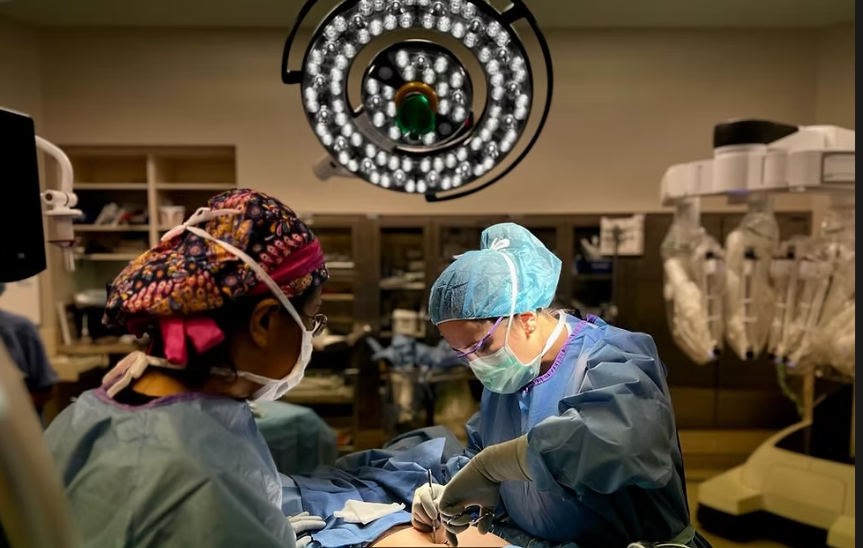
What is excision surgery?
Excision surgery cuts endometriosis out of the pelvis so the disease is removed rather than only treated on the surface. It is performed laparoscopically, through a few small incisions, sometimes with robotic assistance, and it lets your surgeon both confirm the diagnosis and treat it during the same operation.
Hormonal medication can quiet symptoms, but it does not remove endometriosis, and symptoms often return when it is stopped. Excision aims to take the disease itself out, which is why many patients and surgeons consider it when symptoms persist or fertility is a concern.
Who may benefit
Excision may be worth considering if pelvic pain persists despite medication, if imaging suggests deep disease or an endometrioma, if painful periods or pain with intercourse affect daily life, or if endometriosis may be contributing to infertility. It is not the right step for everyone, and we decide together after a full evaluation.
Before surgery
We start with a consultation, a review of your history, and imaging such as pelvic ultrasound, and we talk through your goals, including whether you hope to conceive. Our surgery coordinator helps with scheduling and paperwork, and you'll receive instructions on medications and preparation ahead of your procedure.
During surgery
Under general anesthesia, a camera is placed through a small incision so your surgeon can inspect the pelvis. Visible endometriosis is excised, and related findings such as adhesions or endometriomas are addressed in the same procedure. Removed tissue is sent for pathology to confirm the diagnosis. Length of surgery varies with how much disease is found.
Recovery
Many patients go home the same day. Shoulder or abdominal discomfort from the gas used during laparoscopy is common for a short time. Most people return to light activity within days, but recovery depends on how extensive the surgery was, and your surgeon will give you specific instructions and schedule a follow-up visit.
If you hope to conceive
We plan the timing of any attempt to conceive with you. Some patients try naturally afterward with cycle charting support, while others need further evaluation or treatment. Surgery can improve the pelvic environment for fertility, but it does not guarantee pregnancy.
Risks to know
Every surgery carries risks, including anesthesia complications, bleeding, infection, and injury to nearby organs such as the bowel, bladder, or ureters. Scar tissue can form afterward, some disease may be difficult to remove completely, and endometriosis can return. Your surgeon will review these risks with you before you decide.
Why excision?
Dr. Ashley Womack completed a two-year fellowship in complex minimally invasive gynecologic surgery, including advanced robotic surgical training. We aim to remove as much disease as can be done safely, protect your healthy tissue and fertility, and diagnose and treat in as few procedures as possible.